
· Production operations
Filming in Chile
A diverse territory requires well-coordinated production.
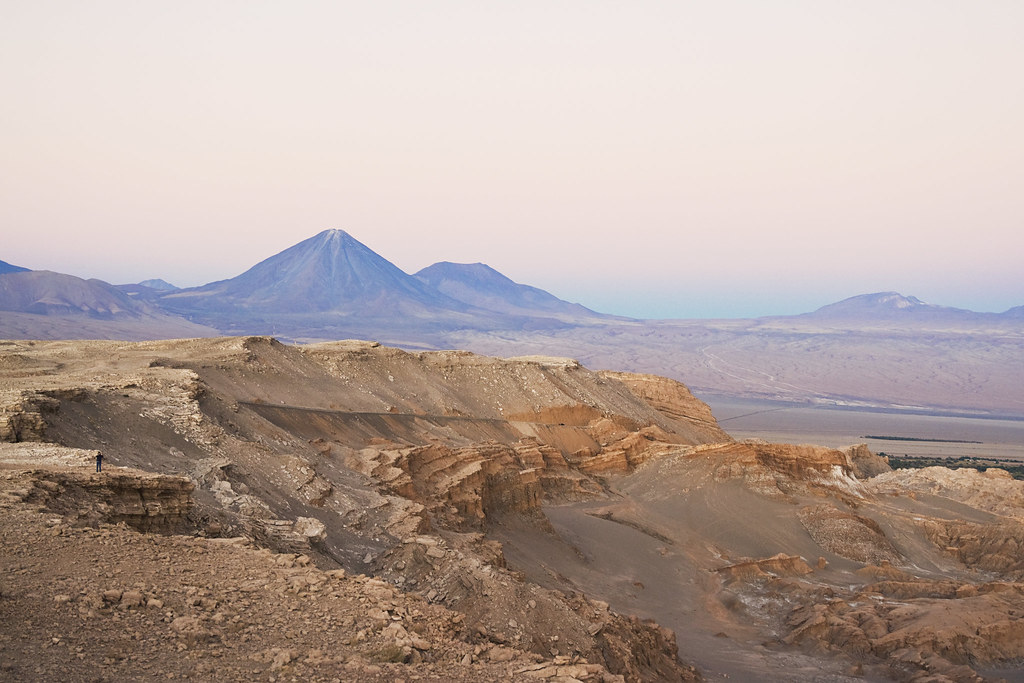
Chile offers very different locations and production contexts across its territory. Andes Narrative helps international teams evaluate these options and organize crews, equipment, transport, accommodation and specialist support for the shoot.
Different landscapes for different production needs
Desert, mountains, snow, coastline, urban architecture, forests, lakes and rural areas are among the visual settings a production can explore in Chile.
Location selection must consider access, operating base, climate, availability, permits and equipment movement. We study these variables alongside the creative proposal and present options that can support a real production plan.
Planning
Variables that shape the shoot
Plan dates around the location
Conditions change between regions, seasons and altitudes. Before finalizing a schedule, we review the proposed location, the type of workday and the resources the team will need.
The site can link to AccuWeather as a general reference. For production decisions, we verify the local forecast and location conditions close to the shoot date.
Check Chile weather on AccuWeatherLocal resources around the brief
An international production may arrive with part of its crew and technical package or source a larger share of its resources in Chile. Andes Narrative evaluates the right combination and coordinates suppliers according to the format, locations and budget.
The scope may include production staff, technical crews, casting, camera, lighting, sound and grip rental, transport, accommodation and catering.
The local team your production needs
We define the local structure based on the roles that will travel, the working language, the technical plan and the complexity of the workdays. We then coordinate the professionals and suppliers who must take part at each stage.
Service and coordination can be organized in Spanish, English, French, Chinese, German, Italian and Portuguese.
Moving crew and equipment within Chile
Routes, distances and access affect the schedule and budget. We evaluate production bases, passenger transport, equipment movement, accommodation and supplies before proposing an operation.
We do not publish generic travel times. Each project must calculate them according to the route, season, vehicle type and location conditions.
Audiovisual production in Santiago
Santiago can serve as a location, production base or coordination point for a shoot that moves to other areas. The city combines urban settings with access to suppliers who may form part of the local solution.
Andes Narrative evaluates neighborhoods, architecture, street operations, access and the requirements of each proposal. Every location and permit remains subject to availability and authorization.
Shoots outside urban centers
A remote location increases transport, communications, accommodation, catering, operational safety and technical backup needs. These variables must enter the budget and schedule during pre-production.
We can study the location, identify a working base and coordinate local suppliers or support according to the confirmed scope.
Official guide
Production context and administrative planning
Source: Film Commission Chile / ProChile, Filmar en Chile, 2024 edition. Consulted 2026-08-08. We checked the selected topics against the current official resources linked below.
The guide provides an administrative starting point, but each procedure depends on the project, responsible authority and current rules. This is not legal advice or a guarantee of any permit, work authorization, customs treatment, incentive or timeline.
Production context across 16 regions
Chile has 16 regions with different climates, distances, production bases and local administrations. A location plan should connect the creative reference to access, logistics, weather and the authorities or owners responsible for the selected place.
Locations and permits
Public and private locations can involve different owners, municipalities, administrators or sector authorities. The required authorization and supporting information must be confirmed for the specific location, use of the space and characteristics of the shoot.
International crew
Nationality, role, length of stay and the work to be performed can affect immigration or work authorization requirements. The project should confirm the current process with Chile’s National Migration Service and use qualified local advice when needed.
Temporary entry of equipment
The route for temporary equipment entry depends on the items, their origin, intended use and applicable customs rules. The production should verify the current procedure with Chilean Customs and determine whether an ATA Carnet, customs agent or another process applies to the case.
Current official resources
Use current official sources to evaluate film-sector support, cultural funding, migration and customs. Program availability, eligibility, amounts, charges and processing conditions can change.
Permits and international movement
Filming permits in Chile
The type of authorization depends on the location, its administration, use of the space and the characteristics of the shoot. Andes Narrative identifies the relevant parties and coordinates preparation of the required information within the production schedule.
Approval rests with the owner, administrator or relevant authority. Timelines and requirements must be verified for each case.
International crew and equipment entering Chile
A person’s nationality and role, the project’s duration and the origin of the equipment may create specific requirements. Andes Narrative coordinates immigration specialists, lawyers or customs agents when a project needs them.
These professionals evaluate the case and advise on the relevant process. No website communication should be interpreted as a guarantee of a visa, permit, authorization or customs release.
Frequently Asked Questions
Can you coordinate a complete production in Chile?
Yes. We can structure and coordinate the local operation from pre-production through closeout, according to the agreed scope. We can also support a single stage.
Do you work outside Santiago?
Yes. We can coordinate productions in every region of Chile. The proposal depends on the location, access, dates, permits and resource network each project needs.
Can you search for locations from a reference?
Yes. Share visual references, narrative needs and practical constraints. We will prepare a brief-led search and coordinate scouting when appropriate.
Can you hire crews and rent equipment?
We can coordinate local crews and camera, lighting, sound and grip suppliers according to the technical list and project availability.
Can you help with work or filming permits?
We can identify the required support and coordinate the relevant specialists or responsible parties. The competent authorities and administrators make the final decisions.
Can you coordinate temporary equipment entry?
We can coordinate customs agents and specialists to evaluate temporary equipment entry and organize the process that applies to the project.
What do you need for an initial evaluation?
A brief, tentative dates, approximate number of people, location references, technical list and any requirements already defined. If information is missing, we can start by identifying the pending decisions.
Evaluate your production in Chile
Send us the brief and tentative dates. We will review the local resources and production variables that should be addressed first.